How to Become an EMT in Texas: Requirements, Training, Certification, and Salary
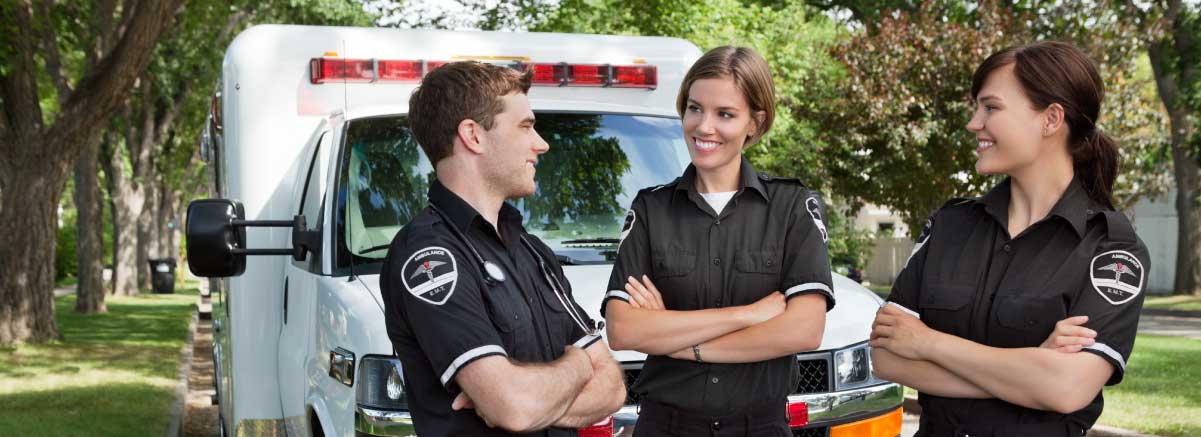
Emergency Medical Technicians (EMTs) play a vital role in healthcare, providing immediate care when people need it most. Whether responding to medical emergencies, accidents, or natural disasters, EMTs are often the first healthcare professionals on the scene.
To become an EMT in Texas, you must complete a state-approved EMT training program, pass the National Registry of Emergency Medical Technicians (NREMT) exam, and apply for certification through the Texas Department of State Health Services (DSHS).
Most students can complete the process in approximately 3 to 6 months, making EMT certification one of the fastest ways to enter the healthcare field. EMTs are in demand across Texas and play a critical role in providing emergency medical care before patients reach a hospital.
EMT Certification in Texas: Quick Facts
- Minimum Age: 18 Years Old
- Education Requirement: High School Diploma or GED
- Certification Exam: National Registry of Emergency Medical Technicians (NREMT)
- Licensing Agency: Texas Department of State Health Services (DSHS)
- Typical Training Length: 2–6 Months
- Prior Healthcare Experience Required: No
- Clinical Training Required: Yes
What Does an EMT Do?
Emergency Medical Technicians (EMTs) provide emergency medical care to patients before they arrive at a hospital. They are often the first healthcare professionals on the scene during medical emergencies, accidents, and disasters.
EMTs commonly work for:
- Ambulance services
- Fire departments
- Hospitals
- Emergency response agencies
- Private medical transportation companies
Daily responsibilities may include:
- Assessing patient conditions and vital signs
- Providing CPR and basic life support
- Treating injuries and medical emergencies
- Administering oxygen and other approved interventions
- Safely transporting patients
- Communicating patient information to hospital staff
Because EMTs frequently work in high-pressure situations, strong communication skills, critical thinking, and the ability to remain calm under stress are essential.
Can You Become an EMT in Texas Without Healthcare Experience?
Yes.
Most Texas EMT programs are designed for individuals with no prior healthcare experience. Students learn the medical knowledge, emergency response procedures, and patient care skills needed to begin working in emergency medical services.
People enter EMT training from a wide range of backgrounds, including customer service, military service, education, hospitality, public safety, and retail.
What Are the Requirements to Become an EMT in Texas?
Texas EMT certification requirements are overseen by the Texas Department of State Health Services (DSHS).
To qualify for EMT certification, applicants generally must:
- Be at least 18 years old
- Have a high school diploma or GED
- Complete a state-approved EMT training program
- Successfully pass the NREMT certification exam
- Complete a background check and fingerprinting process
- Submit a Texas EMT certification application
While requirements may change over time, these are the standard steps most applicants will follow.
How to Become an EMT in Texas
Step 1: Complete an EMT Training Program
The first step is enrolling in a state-approved EMT training program.
EMT training covers topics such as:
- Anatomy and physiology
- Patient assessment
- Emergency medical care
- Trauma response
- Airway management
- CPR and basic life support
- EMS operations and safety
Programs typically combine classroom instruction with hands-on laboratory training to help students develop both knowledge and practical skills.
Step 2: Complete Clinical and Field Training
EMT education includes real-world experience through clinical rotations, ride-alongs, skills labs, and emergency simulations.
This hands-on training allows students to practice patient assessment, communication, and emergency response techniques in supervised environments.
Step 3: Pass the NREMT Certification Exam
After completing training, candidates must pass the National Registry of Emergency Medical Technicians (NREMT) exam.
The exam evaluates a student's ability to safely and effectively respond to medical emergencies. Topics include airway management, trauma, cardiology, medical emergencies, and EMS operations.
Step 4: Apply for Texas Certification
After passing the NREMT exam, candidates submit an application through Texas DSHS.
This process typically includes:
- Completing an online application
- Paying applicable fees
- Completing fingerprinting and background screening
- Receiving certification approval
Once approved, candidates can begin applying for EMT positions throughout Texas.
How Long Does It Take to Become an EMT in Texas?
The timeline varies depending on the training provider and course schedule, but most students can complete the process in approximately three to six months.
A typical EMT certification timeline looks like this:
- EMT Training Program: 2–6 Months
- Clinical Training: Included During Program
- NREMT Testing: 1–4 Weeks
- Texas Certification Processing: Several Weeks
- Total Time: Approximately 3–7 Months
Because EMT programs require significantly less time than many healthcare degrees, they are often considered one of the fastest entry points into the medical field.
How Much Does EMT Training Cost in Texas?
EMT training costs vary by provider, location, and program structure.
Tuition may include:
- Classroom instruction
- Skills laboratories
- Clinical experiences
- Certification preparation
- Training materials
Students should also budget for certification testing fees, fingerprinting, and state application costs.
When evaluating EMT programs, it's important to consider the overall value of the training experience, including hands-on learning opportunities and certification preparation.
How Much Do EMTs Make in Texas?
According to the U.S. Bureau of Labor Statistics (BLS), Emergency Medical Technicians (EMTs) in Texas earn an average annual salary of approximately $40,700, or about $19.57 per hour.
Several factors can affect EMT pay, including:
- Geographic location
- Years of experience
- Employer type
- Additional certifications
- Shift schedules and overtime opportunities
EMTs working in larger metropolitan areas such as San Antonio, Austin, Dallas, and Houston may have access to additional employment opportunities and advancement pathways.
Is EMT Training Hard?
EMT training can be challenging because students must learn medical terminology, emergency response procedures, patient assessment techniques, and hands-on clinical skills.
However, most students find the material manageable when they attend class consistently, participate in hands-on training, and dedicate time to studying.
The practical nature of EMT training often helps students build confidence as they progress through the program.
Is EMT a Good Career in Texas?
For many individuals, EMT certification provides an excellent entry point into healthcare.
Benefits include:
- Relatively short training timelines
- Strong demand for emergency medical services
- Meaningful work helping others
- Opportunities for career advancement
- Valuable healthcare experience
Many EMTs use their certification as a foundation for long-term careers in healthcare and public safety.
Career Paths After Becoming an EMT
EMT certification can open the door to a variety of healthcare and emergency services careers.
Common advancement opportunities include:
Paramedic
Paramedics receive advanced medical training and can perform more complex emergency procedures.
Firefighter
Many fire departments require or strongly prefer EMT certification.
Emergency Room Technician
Hospitals often hire EMTs to assist nurses and physicians in emergency departments.
Nursing Programs
Many future nurses begin their healthcare careers as EMTs to gain patient care experience.
Physician Assistant and Other Healthcare Programs
EMT experience can strengthen applications to advanced healthcare education programs.
EMT Training Through UT San Antonio PaCE
UT San Antonio PaCE offers EMT training designed to help students meet Texas certification requirements through classroom instruction, practical skills training, and clinical experience.
Students develop knowledge and skills in:
- Patient assessment
- Emergency medical care
- CPR and basic life support
- Airway management and ventilation
- Trauma response
- EMS operations
The program is designed for individuals seeking a structured pathway into emergency medical services and healthcare careers.
For students interested in EMT training in San Antonio, UT San Antonio PaCE provides a career-focused option that supports workforce readiness and certification preparation.
Sources and Additional Information
For the most current certification requirements, applicants should consult:
- National Registry of Emergency Medical Technicians (NREMT)
- Texas Department of State Health Services (DSHS)
Frequently Asked Questions About Becoming an EMT in Texas
How long does it take to become an EMT in Texas?
Most EMT programs take two to six months to complete. Additional time may be required for testing and certification processing.
Do you need experience to start EMT training?
No. Most EMT programs are designed for beginners with no prior healthcare experience.
Can you take EMT classes online in Texas?
Some coursework may be offered online, but hands-on skills training, clinical experiences, and field requirements must be completed in person.
What is the difference between an EMT and a paramedic?
EMTs provide basic emergency medical care and life support, while paramedics receive advanced training and can perform more complex medical procedures.
What jobs can you get after becoming an EMT?
Common positions include ambulance EMT, emergency room technician, fire department EMT, and medical transport specialist.
Key Takeaways
- Becoming an EMT in Texas typically requires 3–6 months of training.
- Prior healthcare experience is not required.
- EMT candidates must complete approved training, pass the NREMT exam, and obtain Texas certification.
- EMT certification provides a fast pathway into healthcare and emergency services careers.
- Many EMTs advance into careers such as paramedic, firefighter, nursing, and emergency medicine.
Author

Professional and Continuing Education Staff
As a continuing education incubator, Professional and Continuing Education (PaCE) delivers skills-focused, innovative programming that satisfies the fluid learning demands of life-long learners. The values of Innovation, Accessibility and Excellence are realized through a dedicated team of specialists with a combined 30 years of continuing education experience.