The Center for Research and Training in Sciences was established to maximize resource sharing of extramural programs with similar or complimentary goals in scientific research and training. General charge of this Center is the responsibility of all institutional grants designed to strengthen the capacity of UTSA in the broad area of Life Sciences. Currently, there are six research/training programs included in CRTS: MBRS-SCORE, MBRS-RISE, MARC, RCMI, SNRP and Sloan Foundation Scholarship Program. CRTS is directed by Dr. Andrew Tsin, Professor of Biology. CRTS reports to the Dean of the College of Sciences and to the Vice President of Research.
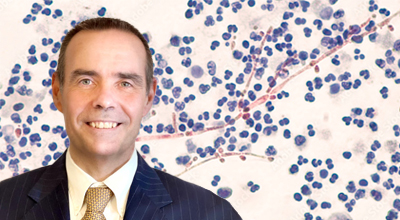
The South Texas Center for Emerging Infectious Diseases is a unique scientific center at UTSA, focused on the study of infectious microorganisms and the host immune response to these microorganisms. The STCEID was formed by a nucleus of UTSA researchers interested in infectious diseases, and operates off of indirect cost return associated with the STCEID funded research monies.
The South Texas Center for Emerging Infectious Diseases is committed to:
The UTSA Neurosciences Institute is the multidisciplinary research organization for the Neurosciences at The University of Texas at San Antonio. Our mission is to foster a collaborative community of scientists committed to studying the biological basis of human experience and behavior, and the origin and treatment of nervous system diseases. Areas of special emphasis include: Nervous system development; neuronal and network computation; sensory, motor and cognitive function; learning and memory, and the disease processes that impact them; implementing mathematical and computational tools in neurobiology; and mathematical theory of neurons and the nervous system.
The Institute for Cyber Security pursues world-leading research with real-world impact, including development of commercializable technologies and services. Its core competencies in cyber security encompass research excellence, preparedness exercises, training and competitions. Current areas of research excellence include secure information sharing, social computing security, infrastructure assurance, trustworthy cloud computing, secure service oriented architecture, botnet analysis and detection, and special projects. The Institute operates two world-class research laboratories: the FlexCloud and the FlexFarm.
The Center for Infrastructure Assurance and Security is developing the world's foremost center for multidisciplinary education and development of operational capabilities in the areas of infrastructure assurance and security. The Center conducts scenario-based cyber security preparedness exercises to test an organization's communication, incident response, disaster recovery, business continuity and security awareness. Exercises can be performed in several venues including industry, city, community, state, national, and international levels. The Center's training and competition programs promote cyber security workforce development.
The mission of the San Antonio Institute for Cellular and Molecular Primatology is to facilitate research on aspects of cell and molecular biology in nonhuman primates, with particular emphases on research relating to primate embryology, stem cell biology, biogenesis research, regenerative medicine, and basic developmental biology. These technologies offer great potential for human medicine. The Institute will conduct research in model nonhuman primate systems to assess the efficacy, safety, and ethical applications of these approaches. The Institute will promote collaborative interactions among scientists and students at The University of Texas at San Antonio, The University of Texas Health Science Center at San Antonio, the Southwest National Primate Research Center, the Southwest Foundation for Biomedical Research, the United States Army Institute for Surgical Research at Brookes Army Medical Center, and related institutions in San Antonio, South Texas and elsewhere.
The mission of the Center for Water Research is to emphasize multi-disciplinary approaches to the solution of practical problems related to water as a resource.