

Powering Ambition Through Philanthropy
Your support has the power to change lives and transform the world.
Make a Gift
Discover remarkable student and faculty achievements, and the opportunities made possible by our generous alumni and friends.
Our Ambition
Together, we are building a university that advances education, research, discovery and healthcare while expanding opportunities for all those we serve and making lives better for generations to come.

Harvey E. Najim accelerates student success through
$5 million commitment for Bold Promise scholars
The University of Texas at San Antonio (UT San Antonio) has announced a $5 million commitment from local philanthropist and longtime university supporter, Harvey E. Najim, to provide scholarship support for students who qualify for Bold Promise — a tuition program that ensures students have 100% of their tuition and mandatory fees covered for up to four academic years under maintained eligibility. Najim’s latest investment will enhance the Bold Promise program through an additional scholarship that will support student financial needs beyond tuition and fees.


Interested in supporting UT Health San Antonio?
Your support allows us to educate the next generation of health care professionals, conduct translational research to improve human health and well-being, and provide compassionate and comprehensive patient care where it is needed most across our region.
Let’s Make Lives Better

Adobe Inc. supports digital and creative skill building at UT San Antonio
The University of Texas at San Antonio received a $125,000 gift from Adobe Inc. to help redesign six high-enrollment undergraduate courses, expanding access to digital.....
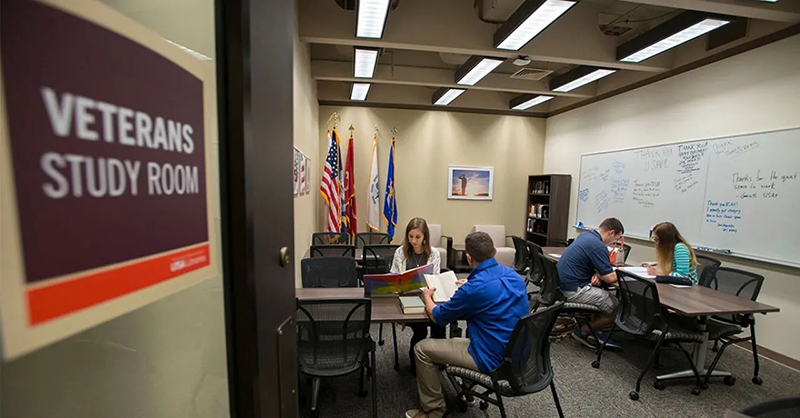
Center for Military Affiliated Students receives enhanced technology support through T-Mobile partnership
The University of Texas at San Antonio has announced a new collaboration with T-Mobile to bring advanced 5G infrastructure to the university’s Center for Military Affiliated Students (CMAS)....

Kate Marmion School of Public Health celebrates gift and inaugural graduating class
The University of Texas at San Antonio (UT San Antonio) formally celebrated the naming of the Kate Marmion School of Public Health on Wednesday, May 13, to recognize a $30 million transformational.......

Student Spotlight
"Donors and scholarship supporters are literally saving and changing lives. There are so many people who feel like they have potential, but they are never given a chance to show it or develop it because they are focused on living day by day. Scholarships break generational cycles, and they give students the space to become who they are capable of becoming."

Whether you are passionate about expanding access to education, improving lives through health research, or inspiring the world through the arts, there is a place for your support at UT San Antonio.
